Silhouette Window Cutout Shapes Pattern: A Designer's Asset
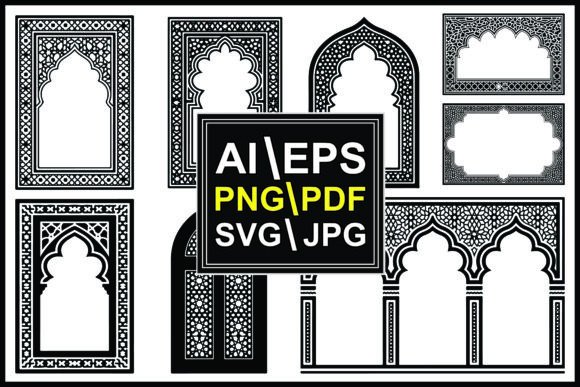
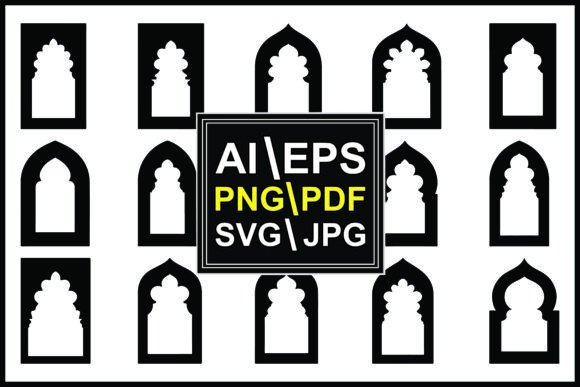
As designers and creators, we often search for elements that offer both immediate impact and long-term versatility. The Silhouette Window Cutout Shapes Pattern is one such asset. At its core, it’s a collection of architectural window forms—arched, pointed, rectangular—rendered as clean, black silhouettes arranged in a repeating grid. This isn't just a pattern; it's a visual language. The stark contrast of black on white (or vice-versa) gives it a bold, graphic personality that feels simultaneously classic and contemporary. The symmetry and repetition evoke a sense of order and architectural elegance, making it a powerful tool for projects that need a structured yet artistic foundation.
Practical Applications Across Creative Projects
The true strength of this pattern lies in its adaptability. Think beyond a simple background. In brand identity, these shapes can be deconstructed to create unique logos, icons, or a distinctive texture for packaging. A boutique hotel or an architecture firm could use the silhouette pattern on business cards, menus, or website headers to instantly communicate a sense of design sophistication and history. For editorial design and publishing, it works beautifully as a chapter opener, a decorative border for a magazine spread, or a full-bleed background that adds depth without overwhelming text. The pattern's inherent rhythm helps guide the reader's eye, contributing to a clean visual hierarchy.
In the digital realm, the Silhouette Window Cutout Shapes Pattern excels. It can be animated for social media graphics or video content, where the grid can scroll or the individual cutouts can fade in, creating engaging motion. For web design, it serves as a compelling hero image, a section divider, or a subtle texture for call-to-action buttons. The high-contrast nature ensures readability when used behind text, provided there's sufficient spacing. For personal projects, crafters can use the SVG and PNG files for scrapbooking, custom stationery, or even physical stencil designs for home decor, proving its value extends far beyond the screen.
Integrating the Pattern into Your Workflow
Choosing the right design asset is about evaluating fit. Before applying the Silhouette Window Cutout Shapes Pattern, consider your project's tone. Its formal, architectural style lends itself well to luxury, heritage, or professional themes. It might feel out of place in a project requiring a playful, hand-drawn aesthetic. Test its scalability; zoom in to see how the clean outlines hold up at both large banner sizes and small icon dimensions. A key part of using any premium font or asset effectively is pairing. This pattern pairs exceptionally well with clean, modern sans serif fonts for body text, allowing the pattern to provide the artistic flair while the typography ensures clarity. It can also create an intriguing contrast with a delicate script font for headlines.
The provided file formats (AI, EPS, SVG, JPG, PNG, PDF) offer tremendous flexibility. The vector files (AI, EPS, SVG) are your best friends for customization—recolor individual sections, adjust line weights, or integrate the shapes into a larger logo design. The raster files (JPG, PNG) are ready for immediate use in presentations, social posts, or digital publications. Remember, this is a commercial font and asset bundle, meaning you have the license to use it in client work and for-sale products, which is a significant advantage for small business owners and marketers. Always ensure your final application maintains the pattern's inherent symmetrical balance and repeating rhythm to preserve its visual impact.
Ultimately, the Silhouette Window Cutout Shapes Pattern is more than just a decorative element. It's a versatile design asset that can elevate your work's professionalism and aesthetic coherence. By understanding its visual personality and practical applications, you can transform this collection of window outlines into a cornerstone of your creative toolkit, whether you're crafting a brand identity, designing a publication, or creating captivating digital content.